
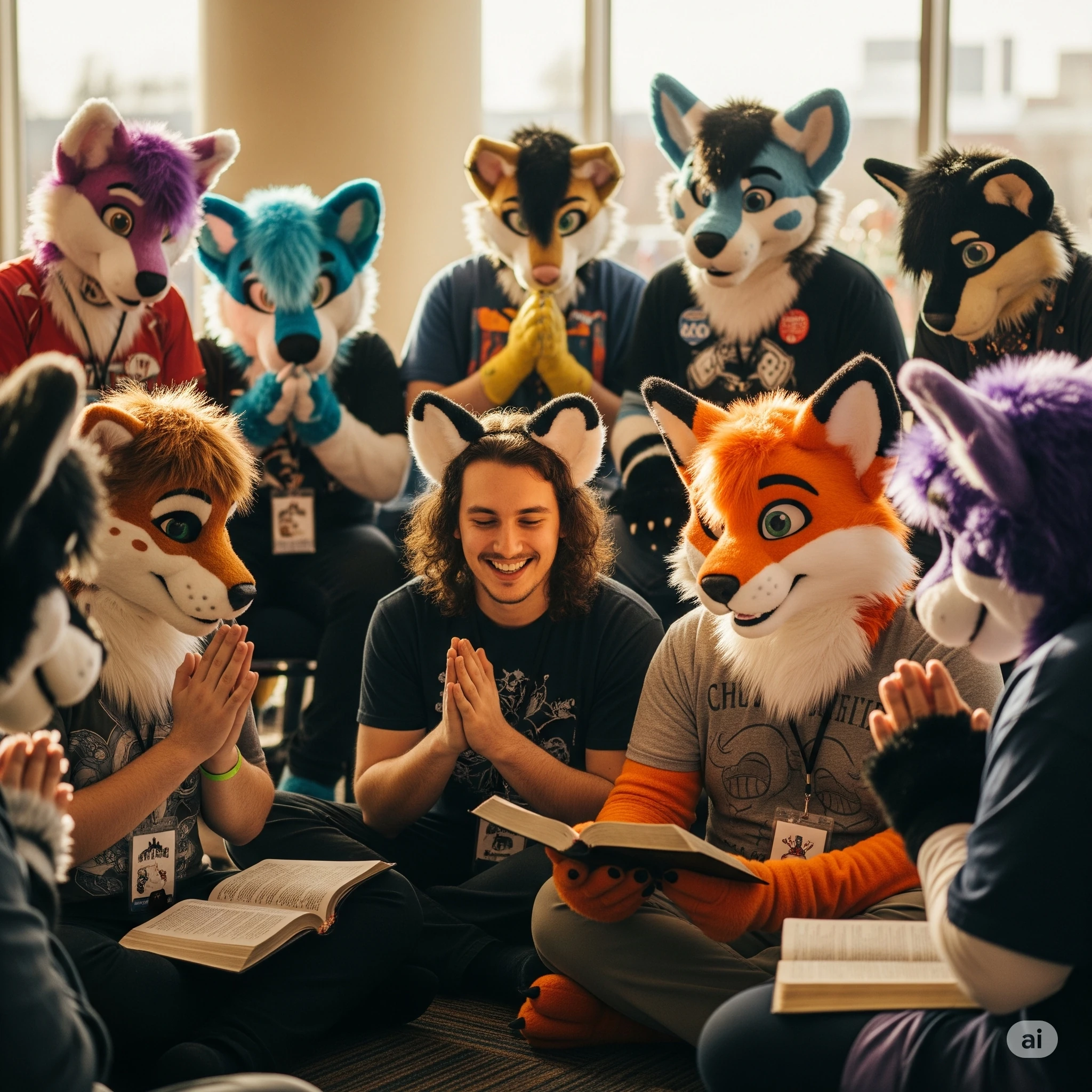
Exploring whether being a furry is a sin with the Christian Furry Fellowship’s biblical approach
Is Being a Furry a Sin? Christian Perspective on Furry Culture
Introduction
Is being a furry a sin? This question, often raised in Christian circles, explores the intersection of furry fandom with Protestant Christian faith. Through investigating the Christian Furry Fellowship (CFF), a community blending these two worlds, we can examine a doctrinally sound, supportive, and evangelistic group that suggests being a furry is not inherently sinful when aligned with biblical principles. This article examines the CFF to address this question.
What is the Christian Furry Fellowship?
The Christian Furry Fellowship (CFF) is a community on Discord and its website, uniting furries—individuals who engage with anthropomorphic animal characters through art, storytelling, or roleplay—with Protestant Christianity. The CFF is trinitarian and non-denominational, open to dialogue with Catholics and Orthodox Christians while maintaining a Protestant stance. Their approach demonstrates that furry culture can coexist with Christian faith.
Key Features
- Doctrinal Foundation: Adheres to the Apostles’ Creed, Nicene Creed, Athanasian Creed, and the Chicago Statement on Biblical Inerrancy.
- Community Rules: Prohibits sexual or suggestive content, banning artists linked to NSFW material to maintain holiness.
- Creative Expression: Members create art, comics, and stories about anthropomorphic characters, akin to cosplay or D&D roleplay.
- Evangelistic Outreach: Members attend furry conventions to share the gospel, distributing tracts and discussing faith.

Dive deeper into defending your faith with Nate’s book on apologetics and thoughtful religious discussion.
Is Being a Furry Inherently Sinful?
The CFF’s theological rigor provides insight into whether being a furry is a sin. Led by Jude, their Discord server hosts discussions, such as one on whether animals have souls, analyzing the Hebrew term nephesh (life force) and its New Testament context. They concluded animals have a “soulish” quality but lack eternal souls, reflecting biblical scholarship that informs their furry interests.
On sexual ethics, the CFF holds that same-sex sexual relationships are sinful, aligning with conservative Christian views. They support members with bisexual desires through prayer and repentance, emphasizing compassion and doctrinal clarity. This suggests that furry identity, when free of sinful behavior like sexual immorality, is not inherently sinful but a creative outlet.
Community Dynamics
The CFF is a tight-knit community, with members meeting at conventions. Professionals, including doctors and students, discuss topics like medical ethics. The CFF has been described as one of the best Christian Discord communities, surpassing traditional servers in doctrinal clarity and support. Non-furries, including atheists, stay due to the welcoming atmosphere, showing that furry culture can foster Christian community.
Addressing Misconceptions About Furries
The furry fandom faces stereotypes about sexual fetishes or trans-speciesism. The CFF counters these, clarifying that being a furry is not sinful:
- Furry Identity vs. Trans-Speciesism: Members create personas for artistic expression, not believing they are animals, distinguishing them from trans-speciesism, which is viewed as a mental health issue.
- Sexual Ethics: The CFF bans fetish-related content, focusing on faith and creativity, unlike broader furry communities where such elements may exist.
Furry Culture and Christian Holiness
Does embracing furry culture align with Christian holiness? The CFF suggests yes, when guided by scripture. Their openness about their “weirdness” may prevent suppressing quirks that could lead to sin. They emphasize that furry interests must be “tempered with Christ’s teaching,” aligning with 1 Peter 1:13–18‘s call to holiness. Costumes, like headbands with ears, are likened to Comic-Con cosplay—unconventional but not sinful unless leading to unbiblical behavior.
Evangelism in Furry Culture
The CFF’s evangelism at furry conventions, inspired by figures like Michael Heiser at UFO conventions, positions them as missionaries to a marginalized subculture. They distribute gospel tracts and engage attendees, showing that furries can share faith without compromising beliefs, challenging Christians to reach niche communities. For more on sharing truth with compassion, see our article on Graceful Disagreement: How to Share Truth with Love.
Comparison to Other Christian Communities
The CFF’s doctrinal clarity and warmth surpass many traditional Christian servers, including some Calvinist groups. Their soundness exceeds that of many Catholic, Presbyterian, or Lutheran communities, making them a model for balancing conviction and compassion in addressing whether furry culture is sinful.
Challenges and Considerations
- External Perceptions: The furry fandom’s reputation leads some Christians to assume it’s sinful, requiring education.
- Balancing Identity and Faith: Members must ensure their furry hobby aligns with scripture to avoid sin.
- Cultural Relevance: Strict rules may limit outreach to furries who embrace permissive fandom elements.
Conclusion
Is being a furry a sin? The Christian Furry Fellowship demonstrates that furry culture can align with robust Christian faith when guided by biblical principles. Their doctrinal soundness, supportive community, and evangelistic zeal show that being a furry is not inherently sinful but a creative expression compatible with holiness. Christians are invited to reconsider judgments and embrace evangelistic opportunities in niche subcultures.
This exploration challenges us to examine our preconceptions and consider how the Gospel can reach every corner of human culture and creativity. Rather than dismissing what we don’t understand, we’re called to engage thoughtfully, seek truth, and extend grace—recognizing that God’s people are found in the most unexpected places, united not by cultural expression but by faith in Christ.
For more biblical insights and resources on faith and culture, visit our complete collection of resources. If you’d like to support this ministry’s mission to reach people with the Gospel, consider supporting Nate’s biblical mission.
Share this post on:
 Share on Gab
.svg) Share on Truth Social
Share on Truth Social